
Ant Infestation Solutions
Eliminate ant infestations effectively from your home or business with our professional ant control services.
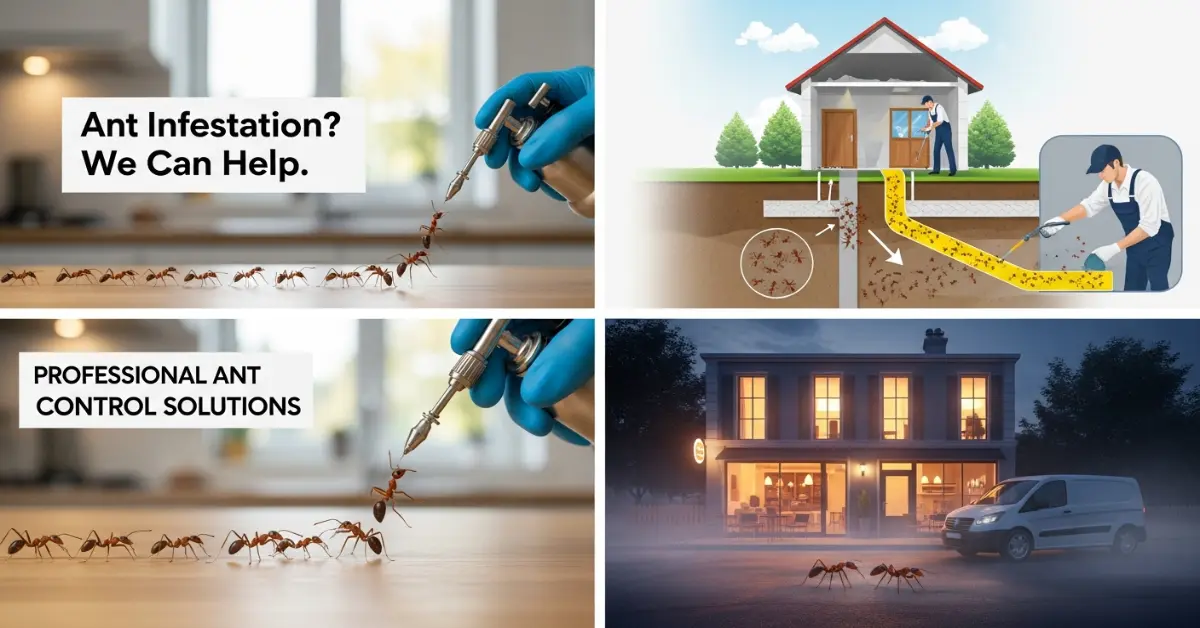
Understanding Common Ant Species and Their Threats
Different ant species require distinct treatment strategies—a critical distinction DIY methods often miss. Carpenter ants (Camponotus spp.) pose the greatest structural threat, excavating galleries in damp or decaying wood without consuming it. Unlike termites, they don't eat cellulose, but their nesting habits weaken load-bearing beams, window frames, and insulation over time. Signs include coarse sawdust piles (frass), faint rustling sounds in walls, and large black workers (up to ½ inch) foraging at night.
Pavement ants (Tetramorium caespitum) nest under concrete slabs, driveways, and foundations, entering homes through expansion joints and basement cracks. While less destructive than carpenter ants, their aggressive swarming behavior and tendency to battle neighboring colonies create unsightly mounds and persistent indoor trails.
Odorous house ants (Tapinoma sessile) earn their name from the rotten coconut smell released when crushed. These small brown ants establish multiple satellite colonies with thousands of workers, making them particularly challenging to eliminate without professional-grade baits that target the entire network. They frequently invade kitchens seeking sweets and moisture, contaminating food preparation surfaces.
Fire ants (Solenopsis invicta) deliver painful stings that can trigger severe allergic reactions in sensitive individuals. Their mound-building activity damages lawns, agricultural equipment, and electrical infrastructure. Professional fire ant management requires specialized baiting systems and mound drenching techniques unavailable to consumers.
The Limitations of DIY Ant Control Methods
Home improvement stores overflow with ant sprays, granules, and bait stations promising quick fixes. However, consumer-grade products face significant limitations that professional ant infestation control services overcome through advanced chemistry and application techniques.
Surface sprays create temporary repellency barriers that kill foraging workers but alert colonies to danger. Ants detect these chemicals and simply reroute trails through wall voids, plumbing chases, or electrical conduits—areas sprays cannot reach. Worse, repellents can fracture colonies, causing them to bud into multiple new nests and exacerbating the problem.
Natural remedies (vinegar, essential oils, diatomaceous earth) provide minimal impact. While vinegar disrupts pheromone trails temporarily, it doesn't kill ants or affect the queen. Diatomaceous earth abrades exoskeletons but requires direct contact and dry conditions rarely maintained in humid crawlspaces or kitchens.
Professional Ant Treatment Methodologies
Licensed pest management professionals employ Integrated Pest Management (IPM)—a systematic approach combining inspection, identification, treatment, and prevention. This methodology delivers superior results through several specialized techniques:
Thorough Inspection Protocols: Technicians conduct comprehensive property assessments using moisture meters, borescopes, and knowledge of ant biology to locate nests, entry points, and conducive conditions. Carpenter ant inspections focus on soffits, fascia boards, and areas with water damage, while moisture ant searches target bathroom plumbing and kitchen appliances.
Targeted Baiting Systems: Professional-grade baits utilize slow-acting insect growth regulators (IGRs) like pyriproxyfen or hydramethylnon. Workers carry these back to the colony, sharing them through trophallaxis (food exchange) until the queen receives a lethal dose. This "domino effect" eliminates entire colonies—including reproductive individuals—within 7-14 days. Gel baits applied in precision amounts avoid the mess and ineffectiveness of consumer bait stations.
Residential vs. Commercial Ant Control Solutions
Residential Ant Infestation Control Services focus on family safety, pet compatibility, and minimal disruption to daily routines. Treatments prioritize low-toxicity options like baits and targeted crack-and-crevice applications over broadcast spraying. Technicians work around schedules, often offering evening or weekend appointments. Homeowner education emphasizes sanitation practices—prompt crumb cleanup, pet food storage, and moisture management—to prevent reinfestation.
Commercial Ant Control addresses stricter regulatory requirements and reputational risks. Food service establishments face health department scrutiny; even single ant sightings can trigger violations or social media backlash. Professional services for restaurants implement proactive monitoring with electronic detection systems, scheduled preventive treatments, and detailed documentation for audit compliance.
Multi-unit housing presents unique challenges as ants travel between units through shared walls and utility chases. Professional services coordinate treatments across affected apartments simultaneously to prevent colony migration and re-infestation, requiring property management collaboration and resident communication protocols.
Signs You Need Immediate Professional Intervention
Recognizing when DIY efforts prove insufficient saves time, money, and property value. Contact ant infestation control services immediately if you observe: large winged ants (swarmers) emerging from walls indicating mature colonies; sawdust piles near wooden structures suggesting carpenter ant excavation; persistent trails recurring within 48 hours of cleaning; multiple nest locations indicating supercolony establishment; or ants in electrical outlets creating fire hazards.
Seasonal Ant Activity Patterns
Ant behavior fluctuates throughout the year, influencing treatment timing. Spring brings mating swarms as established colonies produce winged reproductives. Summer accelerates foraging as colonies expand to support growing populations. Fall triggers indoor migration as temperatures drop and natural food sources diminish. Winter forces colonies into dormancy within heated structures, making baiting less effective but exclusion critical. Professional services adjust strategies seasonally—focusing on exterior perimeter defense in warm months and interior monitoring during cold periods.
Eco-Friendly and Pet-Safe Treatment Options
Modern ant infestation control services offer green alternatives to traditional synthetic pesticides. Botanical insecticides derived from chrysanthemums (pyrethrins) or neem oil provide rapid knockdown with minimal environmental persistence. Borate-based baits utilize naturally occurring minerals toxic to ants but safe for mammals when applied correctly. Some providers employ essential oil blends (peppermint, tea tree) as repellents in sensitive areas. Always verify "pet-safe" claims request Safety Data Sheets (SDS), and follow technician instructions regarding temporary evacuation periods—typically 2-4 hours for liquid applications.
How to Order
Follow these simple steps to book your service quickly and easily.
Select Service
From the category, select the service you are looking for.
Book Your Schedule
Select your convenient time slot that fits your availability.
Place Order
Confirm your order by clicking “Place Order”.
The True Cost of Ant Infestations
Fire ant stings result in medical expenses averaging $1,500 per severe allergic reaction. Pharaoh ants in healthcare settings can spread antibiotic-resistant bacteria, increasing patient infection risks and liability exposure.
Preparation Guidelines for Professional Treatment
Maximize treatment efficacy by completing pre-service preparations: clean kitchen surfaces and floors to eliminate competing food sources; store pet food, dishes, and toys in sealed containers; remove clutter from baseboards and cabinets to allow access; trim vegetation 12-18 inches from foundation; repair leaky faucets and pipes reducing moisture attraction; and notify technicians of specific observation locations and previous DIY attempts. Post-treatment, avoid washing treated surfaces for 24-48 hours, maintain bait stations undisturbed, and schedule follow-up inspections as recommended.