
Commercial Termite Management
Professional industrial termite control service in Bangladesh for RMG factories, warehouses & EPZ. Eco-friendly treatments, audit-compliant solutions.
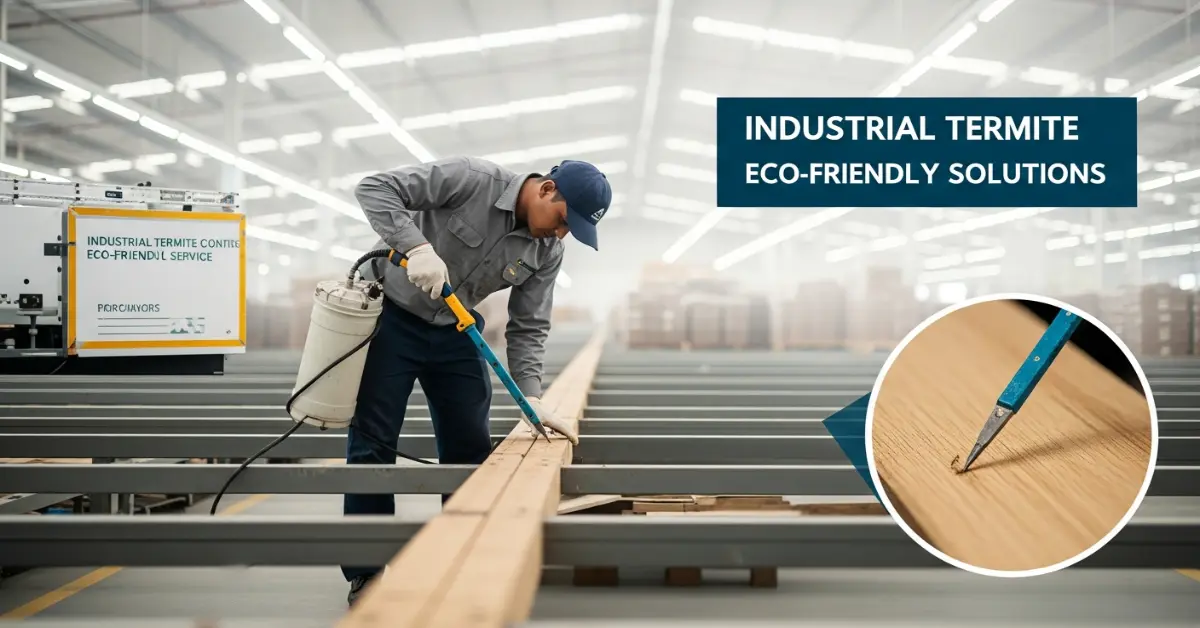
The Scope of Industrial Termite Problems in Bangladesh
Bangladesh's industrial landscape has transformed dramatically over the past decade, with the pest control market projected to grow steadily at 0.90% annually through 2027. Within this expanding market, industrial termite control service represents one of the fastest-growing segments, driven by increasing awareness among factory owners about the catastrophic potential of unchecked termite activity. The country's major industrial corridors—including the Dhaka-Gazipur manufacturing belt, Chittagong port industrial area, and emerging zones in Narayanganj and Cumilla—house thousands of facilities ranging from textile mills and garment factories to pharmaceutical plants and food processing units, all requiring specialized termite management solutions.
The unique vulnerability of Bangladeshi industrial facilities stems from several factors. Construction practices often involve extensive ground contact with wooden formworks and temporary structures that attract termite colonies before permanent operations even begin. The country's dense urban development means many factories are built on previously agricultural land with established termite populations. Additionally, the prevalence of wooden pallets, packaging materials, and storage systems in warehouses provides continuous food sources that support massive termite colonies capable of consuming wood at alarming rates—some estimates suggest a mature colony can process several pounds of wood weekly. Professional industrial termite control service providers must address these systemic risks through comprehensive site assessments, soil treatment protocols, and structural protection systems rather than reactive spot treatments.
Why Standard Pest Control Fails Industrial Clients
Many factory managers initially attempt to address termite issues through general pest control services or DIY treatments, only to discover these approaches fundamentally inadequate for industrial-scale infestations. Standard residential termite treatments typically focus on localized application of chemicals or bait systems designed for smaller structures with limited entry points. Industrial facilities, however, feature complex layouts with multiple buildings, extensive underground utility networks, loading docks, storage yards, and perimeter fencing that create numerous termite entry pathways. Without professional industrial termite control service expertise, these treatments fail to establish comprehensive barrier systems or address the root causes of infestation.
The consequences of inadequate treatment extend beyond continued structural damage. International buyers and certification bodies increasingly require documented pest management programs as part of supplier audits. The Bangladesh Garment Manufacturers and Exporters Association (BGMEA) and Bangladesh Knitwear Manufacturers and Exporters Association (BKMEA) have both emphasized compliance with international hygiene standards, including effective termite management. Failed audits due to pest activity can result in lost contracts, particularly with European and American buyers who maintain strict supply chain standards. Professional industrial termite control service providers offer audit-ready documentation, treatment certificates, and ongoing monitoring reports that satisfy these requirements while protecting physical assets.
Industrial termite control service Bangladesh
Bangladesh's rapidly expanding industrial sector faces a silent but devastating threat that costs factories and warehouses billions of taka annually: termite infestations. As the country's manufacturing hub continues to grow—particularly in the Ready-Made Garment (RMG) sector, pharmaceuticals, and food processing—industrial termite control service has become not just a maintenance requirement but a critical business necessity. The tropical climate of Bangladesh, characterized by heavy monsoon rains, humidity levels averaging 80%, and warm temperatures between 25–35°C, creates the perfect breeding ground for subterranean termites, the most destructive species affecting industrial properties across Dhaka, Chittagong, Gazipur, and Narayanganj.
Industrial pest management Bangladesh
Industrial facilities present unique challenges that differ significantly from residential termite control. Factories and warehouses contain extensive wooden infrastructure in packaging materials, storage pallets, structural elements, and expensive machinery bases. Termites in these environments don't just damage property—they contaminate products, violate international export standards, trigger failed audits, and can result in shipment rejections costing companies their reputation and contracts. The Export Processing Zones (EPZ) across Bangladesh, including Dhaka EPZ, Chittagong EPZ, and Mongla EPZ, maintain strict pest control compliance requirements that mandate professional industrial termite control service providers with documented treatment protocols and follow-up inspections.
Unlike residential termite problems that homeowners might notice through visible mud tubes or hollow-sounding wood, industrial termite infestations often remain hidden until severe damage occurs. Subterranean termites build massive underground colonies and travel through moist soil to reach wooden structures, making factory floors, warehouse foundations, and storage areas particularly vulnerable. The financial impact extends beyond structural repairs to include production downtime, contaminated inventory disposal, regulatory penalties, and lost business opportunities. Forward-thinking facility managers now recognize that proactive industrial termite control service represents essential risk management rather than optional maintenance, with professional treatments offering long-term protection through integrated pest management (IPM) approaches, chemical barriers, and ongoing monitoring systems designed specifically for high-value industrial environments.
How to Order
Follow these simple steps to book your service quickly and easily.
Select Service
From the category, select the service you are looking for.
Book Your Schedule
Select your convenient time slot that fits your availability.
Place Order
Confirm your order by clicking “Place Order”.
Comprehensive Industrial Termite Control Service Methodologies
Effective industrial termite control service in Bangladesh employs integrated approaches combining chemical barriers, physical prevention, and ongoing monitoring tailored to specific facility types. The process begins with thorough inspection using advanced detection equipment including moisture meters, thermal imaging cameras, and acoustic sensors to identify active colonies even within concealed structural elements. For subterranean termites—the predominant species in Bangladesh—treatment typically involves creating chemical barriers through soil injection around foundations, beneath concrete slabs, and along perimeter walls using termiticides approved by the Department of Agricultural Extension (DAE) and safe for industrial environments.
Pre-construction termite treatment represents the most cost-effective approach for new industrial facilities, involving soil treatment before foundation pouring to create protective barriers that last 5-10 years. For existing structures, post-construction treatment requires drilling injection holes through concrete floors and walls to deliver termiticides directly to soil contact points. Leading industrial termite control service providers in Bangladesh now utilize micro-encapsulated formulations and non-repellent chemicals that termites cannot detect, allowing them to spread the treatment throughout colonies before dying, achieving complete elimination rather than temporary displacement.
Sector-Specific Industrial Termite Control Applications
Different industrial sectors in Bangladesh present unique termite control challenges requiring specialized expertise. The RMG sector, accounting for over 80% of export earnings, operates thousands of factories with extensive wooden cutting tables, storage racks, and packaging material inventories vulnerable to termite damage. Industrial termite control service for garment factories must accommodate production schedules, ensuring treatments occur during off-hours or holidays to prevent chemical exposure to workers and fabrics. Heat treatment protocols and botanical insecticides provide effective alternatives to traditional chemicals in these sensitive environments.
Food processing and pharmaceutical industries operate under the strictest regulatory requirements, with zero-tolerance policies for pest contamination. Termite control in these facilities demands Integrated Pest Management (IPM) approaches emphasizing prevention through structural maintenance, moisture control, and physical barriers rather than chemical dependence. When chemical treatments are necessary, industrial termite control service providers utilize food-grade diatomaceous earth, botanical extracts, and targeted bait systems that pose no risk to product safety. Documentation and traceability requirements mean every treatment must be recorded with chemical specifications, application locations, and safety intervals before production resumption.
Geographic Coverage and Service Accessibility
Professional industrial termite control service providers maintain extensive coverage across Bangladesh's major industrial zones to ensure rapid response capabilities. Dhaka division, encompassing the capital, Gazipur, and Narayanganj, contains the highest concentration of manufacturing facilities and receives priority service coverage with 24-hour response commitments. Chittagong division, including the port city and major EPZ areas, requires specialized expertise in maritime climate termite management, where high salinity and humidity create aggressive termite pressure. Emerging industrial areas in Rajshahi, Khulna, and Sylhet divisions increasingly demand professional services as manufacturing decentralizes from traditional centers.
Export Processing Zones maintain specific requirements for pest control contractors, including security clearances, insurance bonding, and compliance with international standards such as HACCP, AIB, and BRC. Industrial termite control service providers serving EPZ clients must demonstrate familiarity with these protocols and provide documentation templates matching audit requirements. The best providers offer comprehensive service agreements including quarterly inspections, emergency response guarantees, and annual renewal certifications required for export license maintenance.